

The Threads of Horology: Woven in Geneva or Programmed in Japan and Silicon Valley?
The Macro Effect: How Smartphone Lenses Quietly Conquered the Watchmaking Industry

Glance at an executive’s wrist in 2005, and you would likely spot a monolithic block of steel. Measuring an unapologetic 45 millimeters or more, it shouted across boardrooms and restaurants: "Look at me!" Fast forward to today, and that same wrist tells a starkly different story. It now wears a refined, featherlight 36mm or 38mm timepiece that whispers confidence rather than screaming for attention.
What triggered this tectonic shift?
The industry’s default narrative chalks it up to "the cyclical nature of fashion." But here at Azzam Watches, we look deeper. And the untold truth is far more fascinating: The modern luxury watch market wasn’t reshaped by the ateliers of Geneva—it was dictated by optical engineers in Silicon Valley and Tokyo.
The Wide-Angle Era and the Cult of the Giant Case
Two decades ago, consumer imaging lived in a primitive, low-resolution landscape. Early digital cameras and first-generation smartphones possessed modest sensors and flat lenses. Snap a wrist shot from two feet away, and a timepiece melted into an indistinguishable mosaic of noise and blown-out pixels.In that low-fidelity visual ecosystem, watchmakers had only one winning strategy to capture attention: Visual brute force.
Watches had to be aggressively oversized to stand out on screen, in print, or across a room.
The entire design language favored bold exterior silhouettes, heavy bezels, and angular cases. Dial nuances and microscopic hand-finishing were practically irrelevant because the consumer lens simply couldn’t see them.
The Macro Revolution—A Ruthless Mirror for Watchmakers
Then came the tipping point. It wasn't an innovation born in the Vallée de Joux, but a sensor packed into the smartphones in our pockets: High-aperture macro lenses and computational HDR.

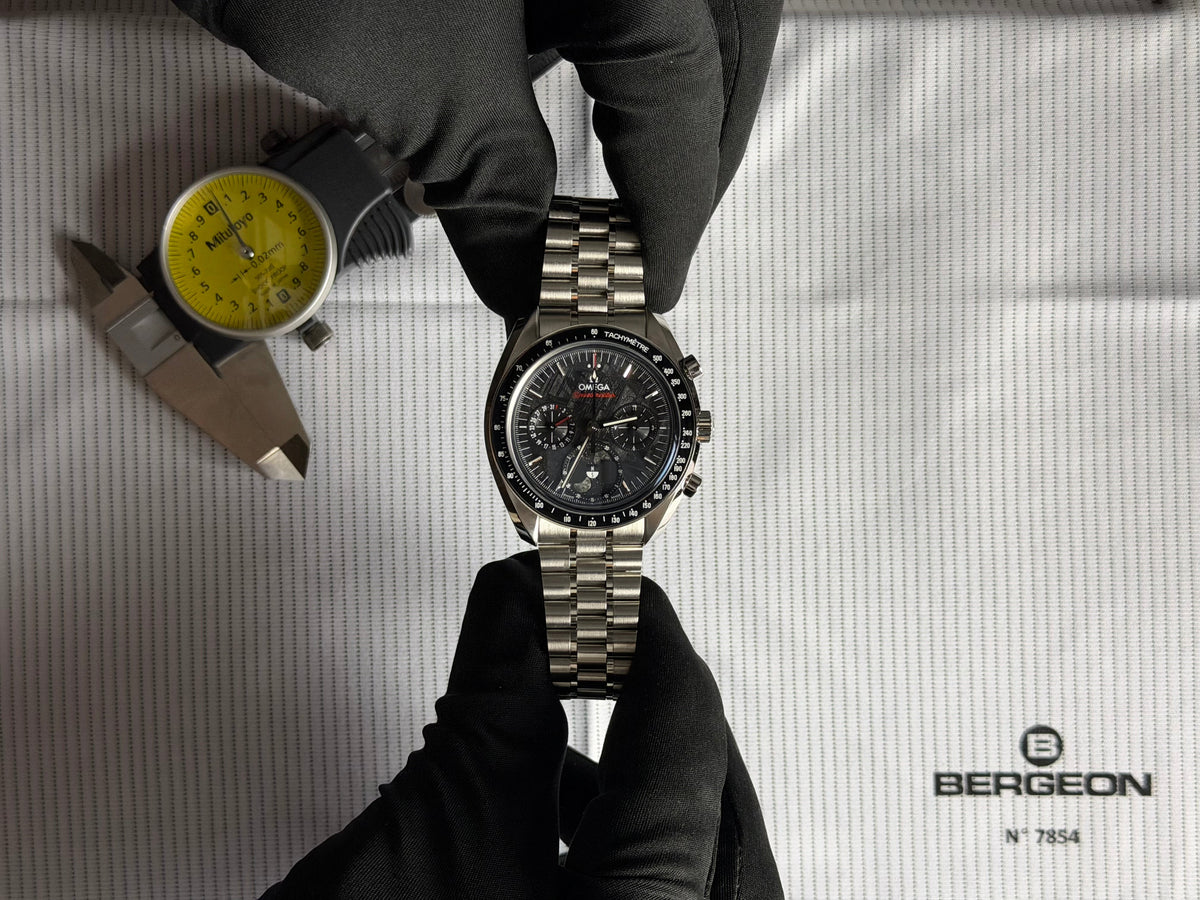
Virtually overnight, millions of collectors were handed an optical microscope. With zero technical photography training, any enthusiast could hover a phone a mere inch away from an escapement, snap a hyper-crisp shot, and broadcast it to global communities on Instagram and Reddit.
This changed the game forever. Scale was instantly stripped of its power. A 46mm dive watch with sloppy hand-bevelling or stamped indices could no longer hide behind its commanding presence. Under the unyielding scrutiny of a modern macro lens, every microscopic imperfection was exposed—and every masterstroke of craftsmanship was celebrated.
When Geneva Bowed to the Law of Optics
The response from horological maisons was nothing short of revolutionary:
1. The Renaissance of Classic Proportions (36mm–38mm):
When a macro sensor can project every fraction of a millimeter across a high-resolution OLED screen, bulk becomes obsolete. Smaller, vintage-inspired dials now feel monumental on camera, radiating intimacy, restraint, and calculated luxury.
2. The Obsession with Light and Texture:
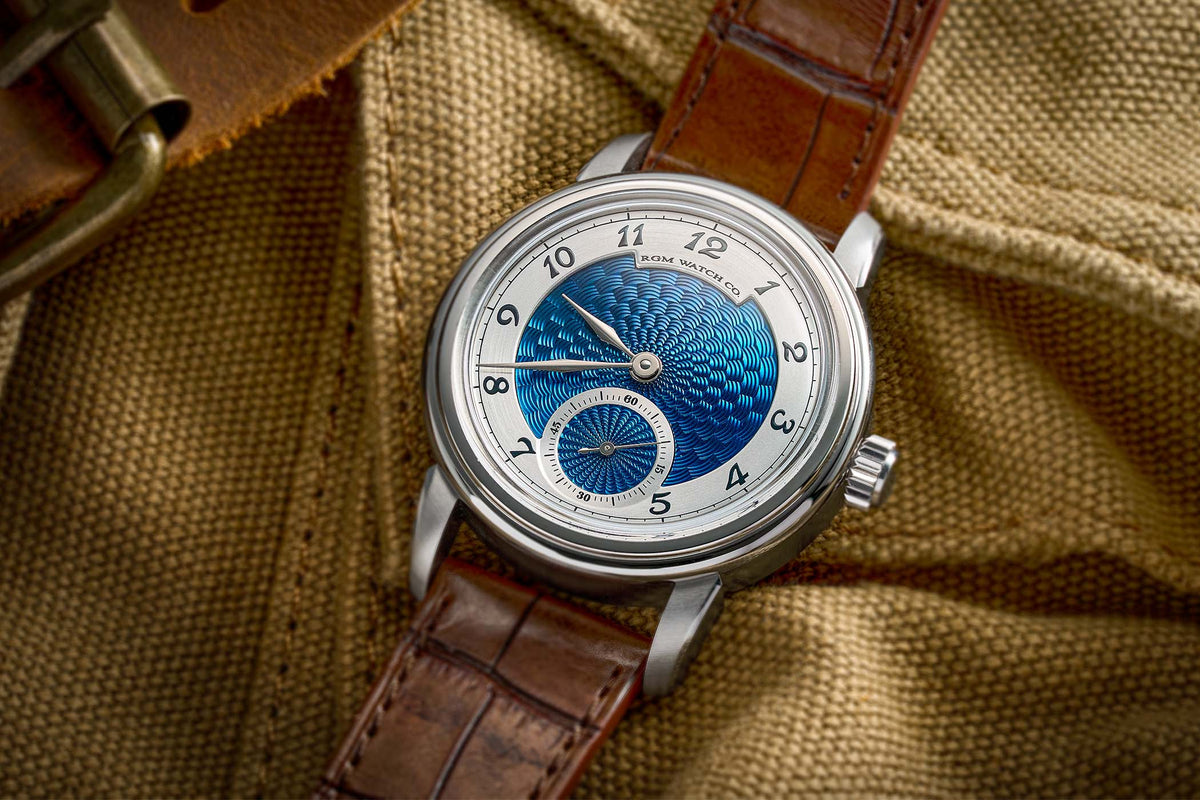
Flat dials died; dynamic surfaces took over. The industry saw an explosion in textured guilloché patterns, meteorite slices, fumé gradients, and tactile finishes. Why? Because these surfaces interact dramatically with light, creating the deep depth-of-field that phone lenses thrive on.
3. The Rise of Micro-Craftsmanship:
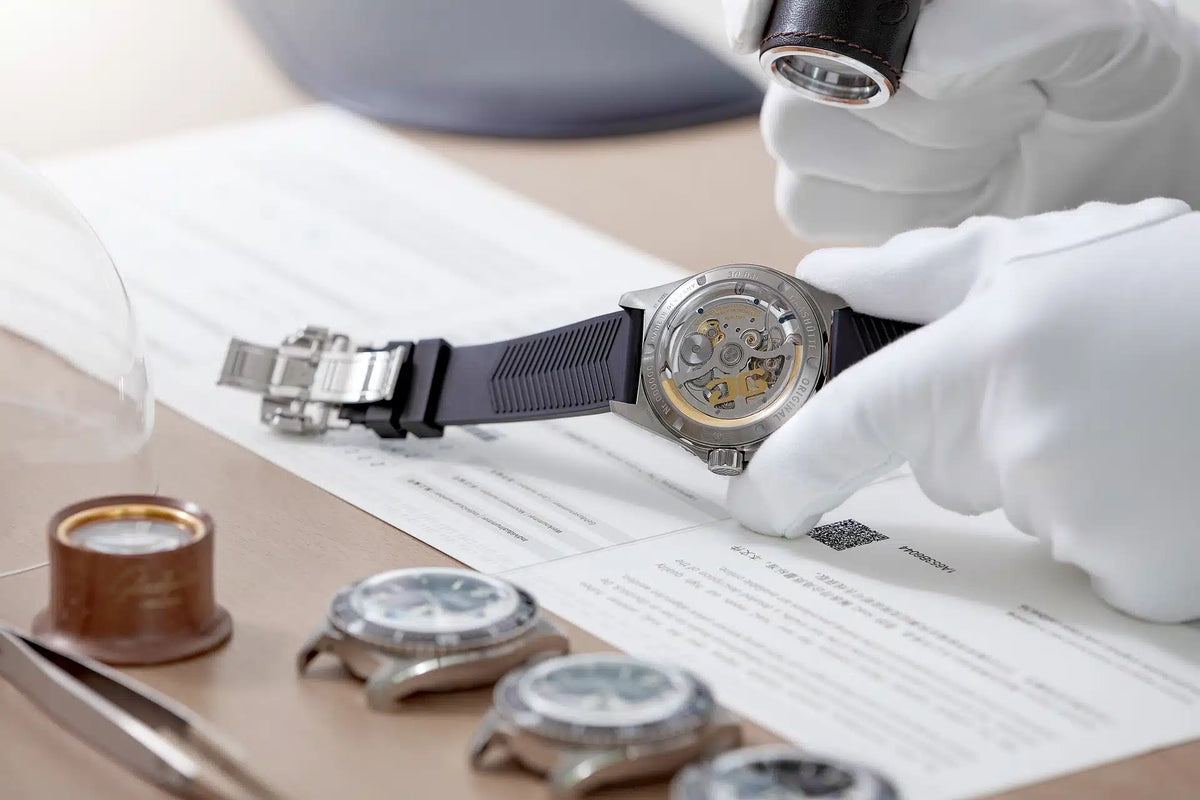
Bevels, hand-blued screws, circular graining, and distortion-free Zaratsu polishing became mandatory talking points. The macro lens democratized watch criticism, forcing brands to invest heavily where it truly counts: in relentless, immaculate finishing.

The Azzam Watches Perspective: Artistry Under the Lens
At Azzam Watches, we see this phenomenon as the ultimate triumph of substance over spectacle. Modern lens technology hasn't merely recorded watches; it has liberated them. It freed watchmakers from the tyranny of size and challenged them to pour their souls into the micro-realm of artisanal perfection.
Next time you look down at the quiet, intricate beauty of a fine mechanical watch, remember: you are not just wearing centuries of traditional watchmaking. You are wearing a masterpiece refined to withstand the most unforgiving lens in human history.

Written by Hythm Azzam


Leave a comment
This site is protected by hCaptcha and the hCaptcha Privacy Policy and Terms of Service apply.