
The Diplomacy of Time: How Luxury Watches Forged a Language of Appreciation Between Gulf Palaces and the World
In the hallways of royal palaces and the corridors of international diplomacy, the value of gifts is not measured by money alone, but by the encoded messages they carry. While words pass and positions change, the "luxury watch" gifted by heads of state, especially in the Gulf Arab region, remains a silent witness to major alliances and friendships that altered the course of history. It is not merely a machine for counting seconds; it is a "political document" worn on the wrist.

The Language of "Time" Between Kings and Presidents
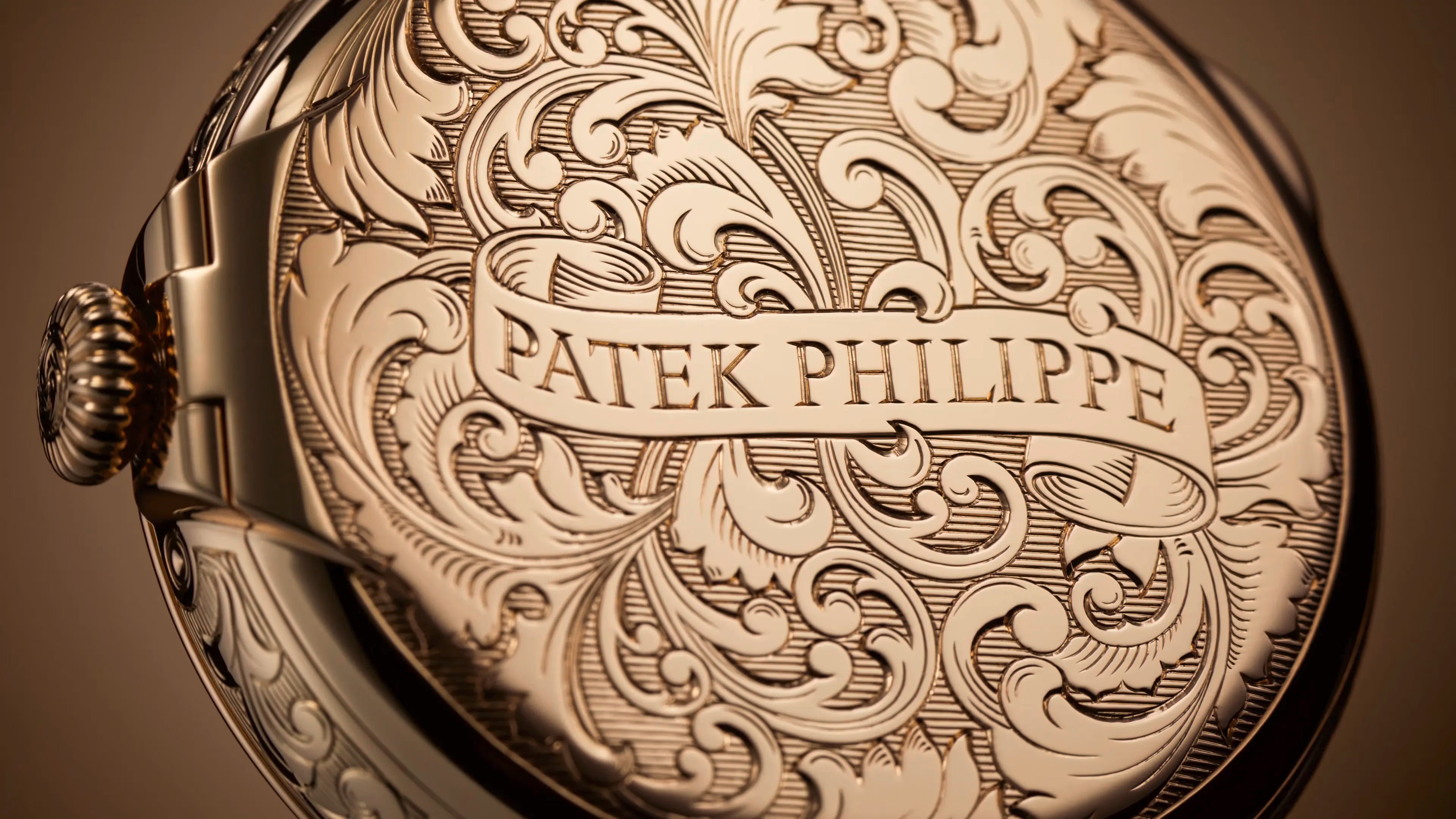
For decades, world leaders have adopted the tradition of gifting luxury watches as the highest gesture of appreciation. But in the Gulf, this tradition took on a legendary dimension. When a king or prince decides to gift a "Rolex" or a "Patek Philippe" bearing the state emblem, they are not offering an expensive accessory; they are granting the guest a piece of "the state's prestige."

These watches, specially and secretly commissioned from Swiss manufacturers, do not see the light of day except to reflect the depth of the bond. They are "the handshake that never ends," reminding their wearer each time they glance at the dial of the solidity of the relationship connecting them to that land.
Emblems of Sovereignty... When the "Khanjar" and the "Palm" are Sealed on Gold
What makes watches gifted by Gulf leaders a "treasure" pursued by collectors in London and Geneva auctions are those minute details known as Custom Dials.
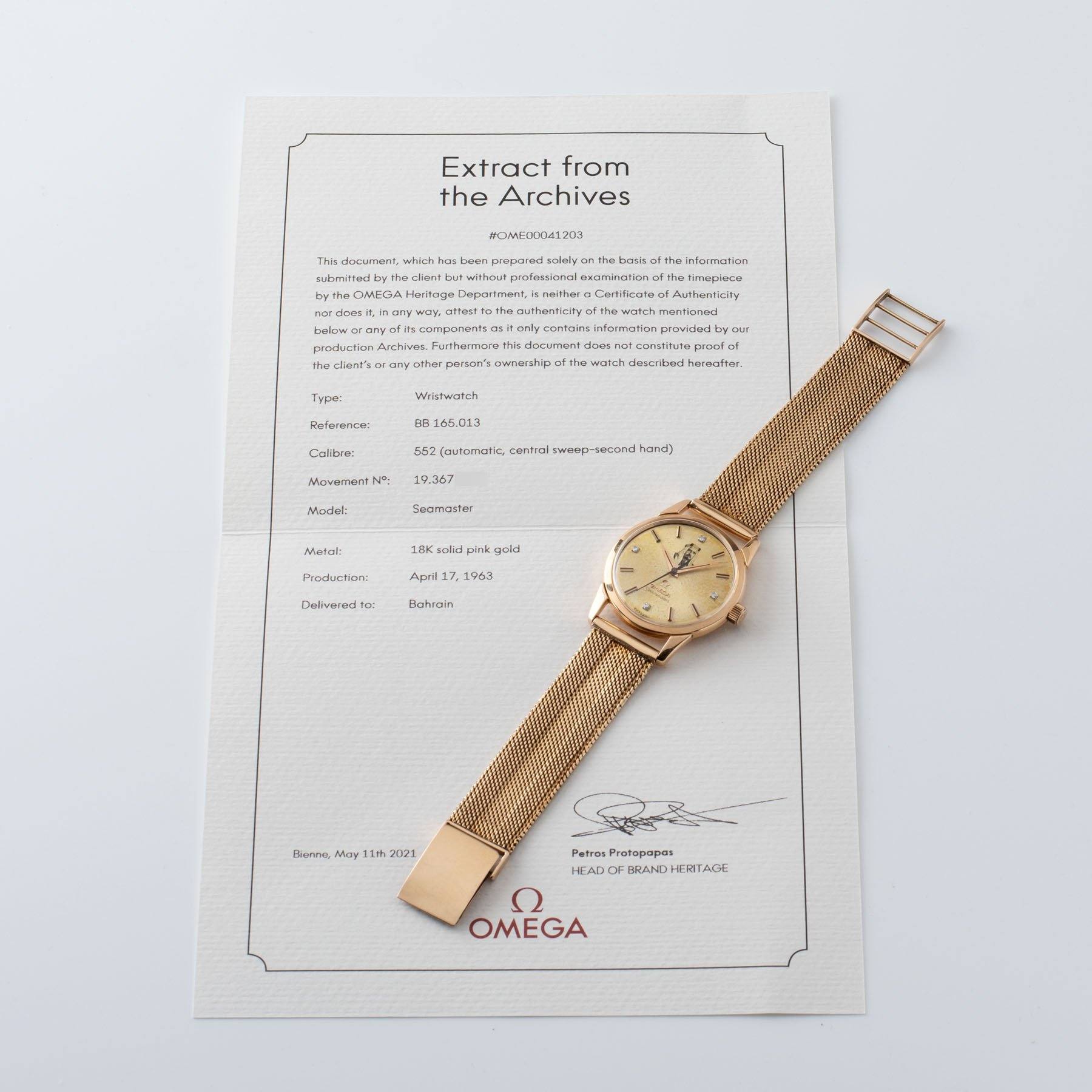
Imagine a watch of platinum or pure gold, its dial centered by the majestic Omani Khanjar, the Saudi Palm and Two Swords, or the Emirati Falcon. These emblems are not mere decoration; they are a sovereign signature. In the world of watches, experts label these pieces as "Diwan Watches" or "Palace Watches." These are pieces never displayed in storefronts, nor were they available to the world's wealthy regardless of their riches. The only way to obtain one was through the "favor" of proximity to the decision-makers.
 From Forgotten Shelves to Global Auction Podiums
The fascinating aspect is that these watches now constitute a "parallel market" where their value is skyrocketing wildly. A watch gifted to a diplomat in the 1970s as a gesture of thanks might sell today for hundreds of thousands, and sometimes millions, of dollars.
The secret lies in the Provenance; buyers are not paying for the metal and gears, they are paying for history. They are buying the watch that witnessed the signing of an oil agreement, or the one present at a historic summit meeting between an Eastern leader and a Western president. They are pieces carrying the DNA of international politics.

Arab Generosity at the Peak of its Elegance
Gulf culture is a pioneer in this diplomatic art; generosity is an inseparable part of the leadership character there. Transforming this generosity into a sustainable "artistic masterpiece" is a remarkable cultural intelligence. Here, the watch transcends the concept of a "disguised bribe" – as some may misunderstand – to become a "civilian medal" expressing mutual gratitude and appreciation.
In the end, watches gifted by leaders and kings remind us that politics, despite its occasional dryness and coldness, still leaves room for beauty, art, and sublime human appreciation. It is a tale of time... forged by power and immortalized by gold.

"The Khanjar Rolex": When the Sultan's Gift Outshone Hollywood's Glitter
In November 2023, the auction house "Loupe This" witnessed an extraordinary event. The star of the story was a Rolex Daytona "Big Red" watch, but it was not a traditional Daytona; its dial bore the emblem of the Omani Khanjar in vivid red, the personal emblem of the late Sultan Qaboos bin Said.
A Journey from the Palace to the Podium of Glory
The story dates back to the 1970s, when Sultan Qaboos, known for his refined taste and passion for luxury watches, would commission special editions from Rolex to present as the highest form of appreciation to figures who provided eminent services to the Sultanate, whether British military officers or diplomats.
This particular watch was originally gifted to a senior British official, remained concealed for decades, changed ownership to one of the most famous collectors, and then appeared at auction to cause an earthquake in prices.

Why Did Bidders Go Crazy?
What makes the "Khanjar Rolex" an exceptional case in the global collector's world is not only its rarity, but the "historical legitimacy" it grants its owner. The watch did not come from a store on "Bond Street"; it came from the Diwan of the Royal Court.
Absolute Rarity: Rolex completely ceased placing external logos on its watches long ago, making old models bearing the "Khanjar" or the "Saudi Palm" akin to "ancient coins" impossible to replicate.
Astronomical Price: Similar pieces have been sold at Christie's auctions for prices exceeding one million US dollars, surpassing watches owned by celebrities from the worlds of film and sports.
The Charm in the "Dial"
The international collector's press has described these watches as the "Holy Grail" for enthusiasts. While the average person sees a beautiful watch, the expert sees "a map of influence." The presence of a Gulf state emblem on a Swiss watch means this piece was part of a political scene, and it was made by a special "Royal Commission" – the highest honor any mechanical piece can attain.
Conclusion: Symbolism Transcending Time
The Omani "Khanjar" or Emirati "Falcon" watch has become, in today's global markets, synonymous with historical wealth. It is the story that proves "diplomatic time" in the Gulf was not counted in minutes, but in the prestige and appreciation engraved on gold and steel to remain immortal.

Written by Hythm Azzam


Leave a comment
This site is protected by hCaptcha and the hCaptcha Privacy Policy and Terms of Service apply.