
The Pre-Owned Watch Revolution.
How Luxury Became an Investment Asset from Global Markets to Egypt
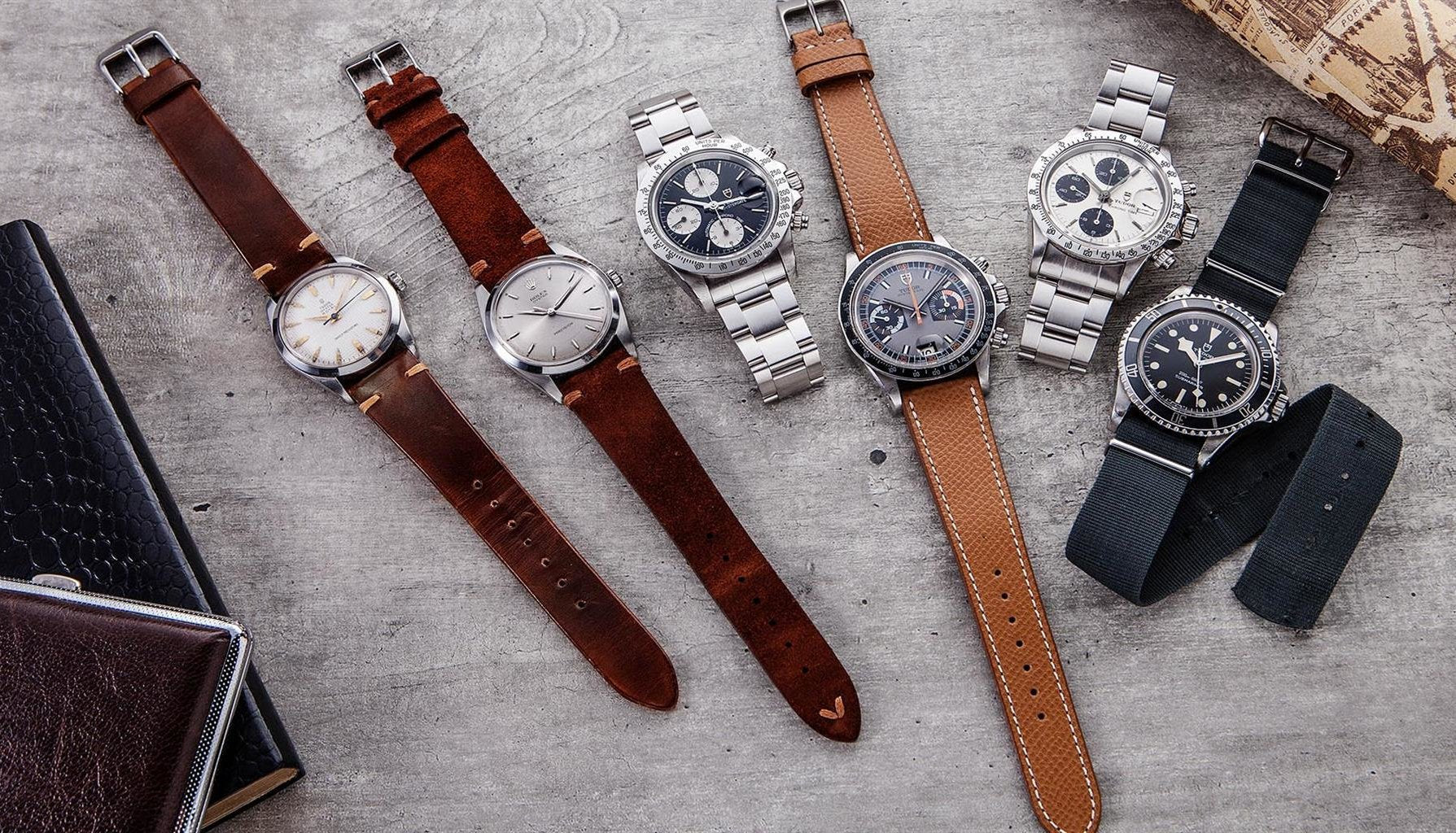
The pre-owned luxury watch market has undergone a radical transformation over the past decade. Once viewed as a marginal sector or a refuge for those unable to buy new, it has evolved into a formidable economic force valued at tens of billions of dollars. This shift is not confined to European capitals; it has expanded aggressively into the Middle East, carving out a new reality within the Egyptian market.
Here is a comprehensive analysis of the market landscape, its significance, and its future outlook.
1. The Global Scene: From the Shadows to the Spotlight
Financially, experts predict that the pre-owned watch market will surpass the primary (new) market by 2030. This explosion is driven by several key factors:
- Supply Scarcity and Waiting Lists: The "artificial scarcity" strategy employed by giants like Rolex, Patek Philippe, and Audemars Piguet has made acquiring a new timepiece from a boutique nearly impossible for the average client, pushing buyers toward the secondary market.
- Certified Pre-Owned (CPO) Programs: Major brands recognized the capital flowing outside their ecosystem and launched CPO initiatives. Rolex’s entry into this arena was a game-changer, granting the secondary market absolute legitimacy.
- Digital Platforms: Websites such as Chrono24 and Watchfinder have transformed the market from fragmented individual trades into a transparent global exchange where the price history of any model can be tracked with precision.
2. The Middle East: An Evolving Culture of Collection
The Middle East—specifically hubs like Dubai and Riyadh—is among the fastest-growing regions in this sector.
- Maturing Consumer Taste: Regional buyers are moving beyond diamond-encrusted pieces for status, showing a deeper interest in Grand Complications and Vintage historical editions.
- Dubai as a Regional Hub: Trade facilities and the absence of taxes on pre-owned goods have positioned Dubai as a vital transit hub for luxury watch dealers moving inventory between Asia, Europe, and the Arab world.
3. The Egyptian Market: Luxury as a Safe Haven and Store of Value
In Egypt, the pre-owned market takes on a unique economic character, where the passion for collecting intertwines with the necessity of wealth preservation.
- Hedging Against Currency Fluctuations: Amid economic challenges, luxury watches are increasingly treated like gold or real estate. Buying a luxury watch today is a means of maintaining liquidity in a mobile, liquid asset that can be liquidated at any time and in any currency, locally or internationally.
- Evolution of Sales Channels (Azzam Watches): Historically, this market in Egypt relied on personal trust networks and specific dealers in districts like Downtown or Heliopolis. Today, we are seeing a shift toward professionalization through digital platforms. Azzam Watches has emerged as a leading Egyptian counterpart to global platforms like Chrono24, providing a transparent space for showcasing luxury catalogs. This evolution regulates trading and builds absolute confidence between buyers and sellers in the local market.
- The Rise of Microbrands: Interest in Egypt is not limited to traditional Swiss brands. A rising segment of enthusiasts is seeking out independent microbrands with limited releases, which often develop their own secondary markets as soon as official stocks are depleted.
4. Why is this Market Gaining Critical Importance?
- Sustainability: Gen Z and Millennials prefer the "circular economy" of luxury goods as part of an increasing environmental consciousness.
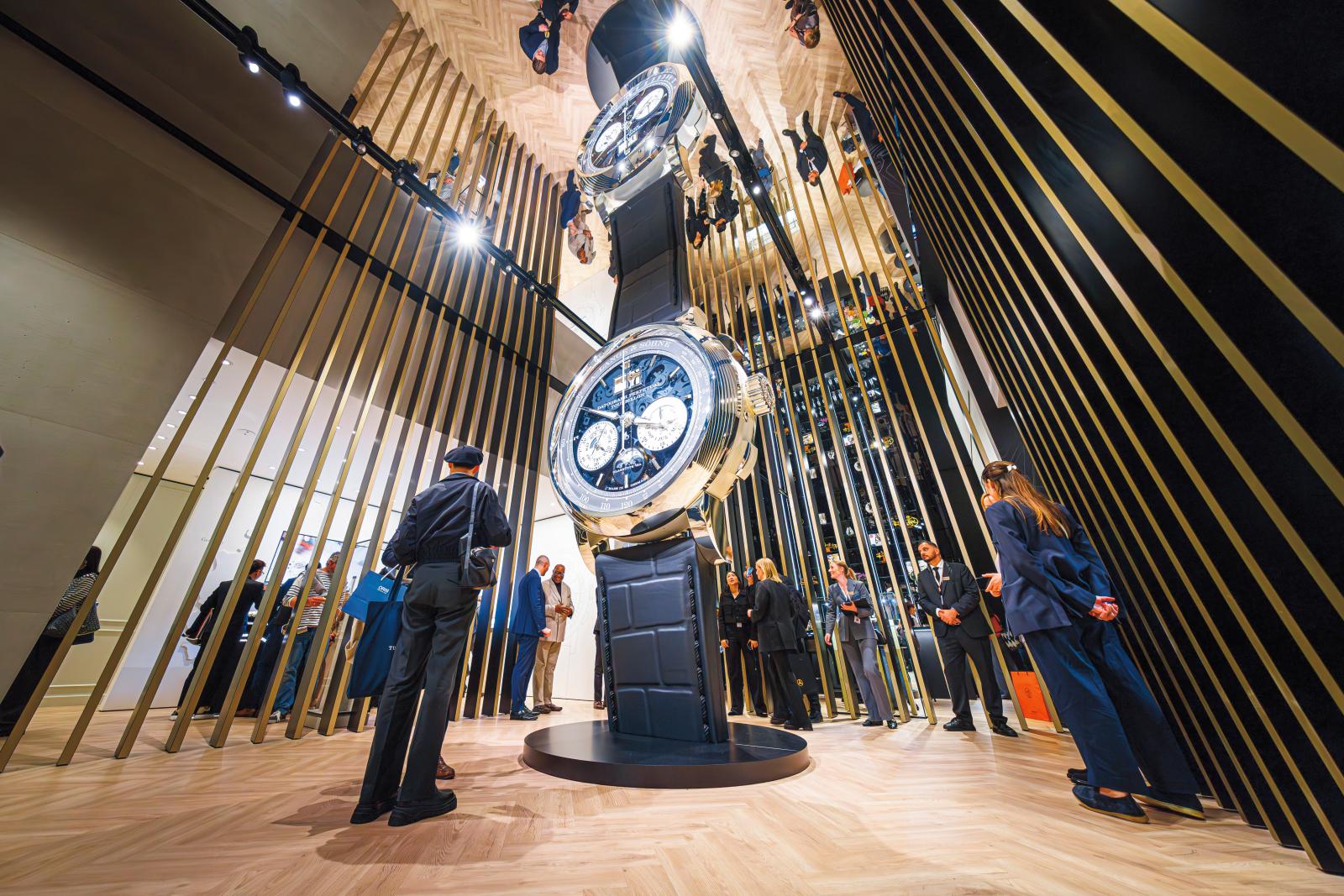
- Price Transparency: Major global events, such as the unveiling of new releases at Watches and Wonders in Geneva, instantaneously impact the prices of discontinued models on the secondary market, creating a dynamic environment for investors.
- An Entry Point for Beginners: The pre-owned market allows new enthusiasts to enter the world of luxury at a more accessible price point, particularly within the "Accessible Luxury" categories.
5. Future Outlook (2026 and Beyond)
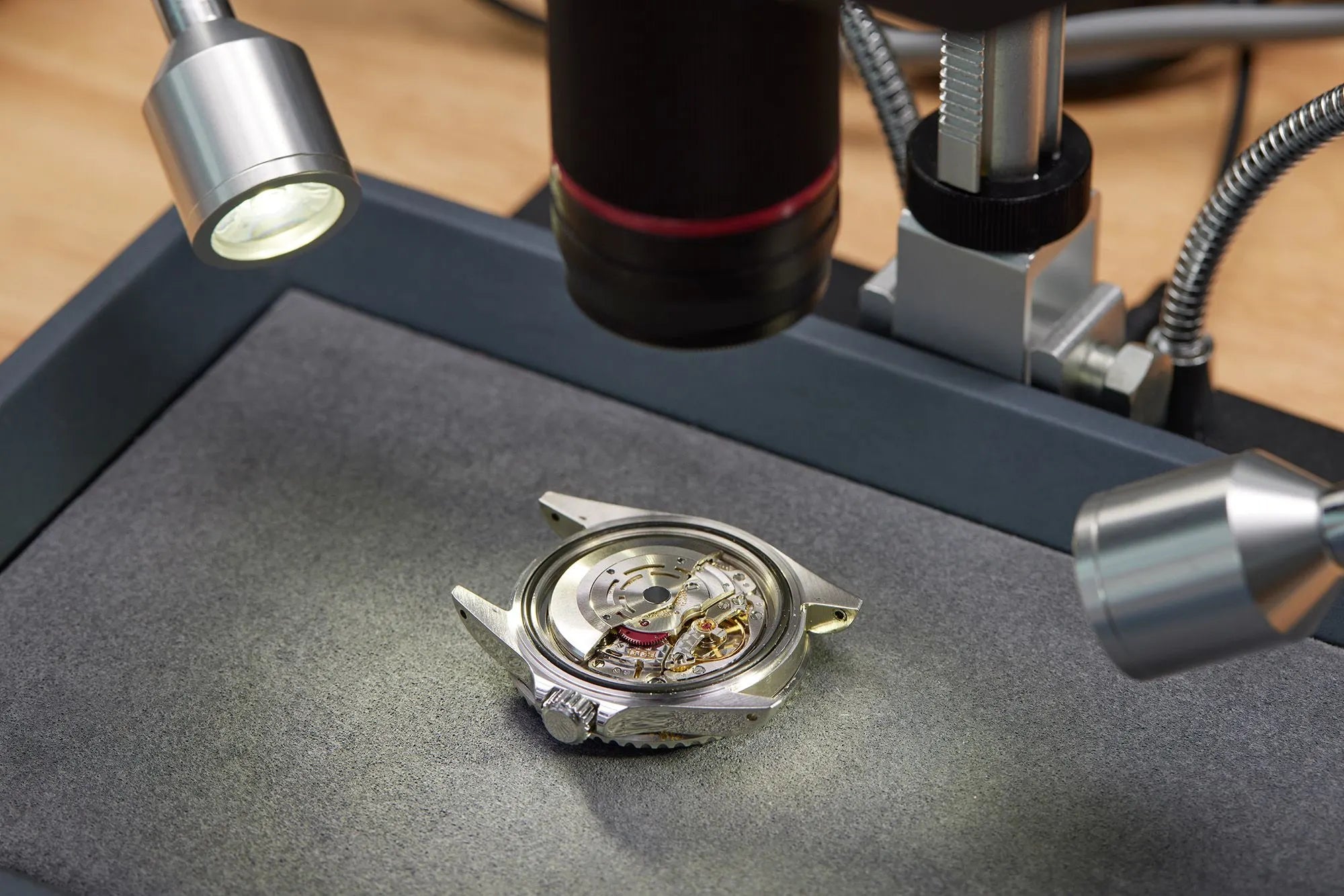
- The Authentication Revolution: The greatest challenge remains "Super Clones." The future belongs to trusted entities that utilize advanced inspection technologies and provide genuine warranties, elevating the "Authorized Dealer" status over casual sellers.
- Merging Digital with Physical: The next trend in Egypt and the region will be the "Phygital" model—blending digital apps for browsing inventory with exclusive, private Lounges for closing deals and providing premium customer service.
- Price Correction: Following the unprecedented price surges of 2021–2022, the market is currently undergoing a "healthy correction." This stability makes the market more attractive to genuine collectors rather than just short-term speculators.
Finally.
The pre-owned luxury watch market is no longer a "shadow market." In Egypt, as awareness grows regarding watches as flexible investment tools that respond to global market movements and exchange rates, the entities that successfully organize this sector through transparency and advanced digital platforms—exemplified by the Azzam Watches model—will be the primary architects of the future of luxury trade domestically.

Written by Hythm Azzam


Leave a comment
This site is protected by hCaptcha and the hCaptcha Privacy Policy and Terms of Service apply.